Sound Healing & The Yogic Path
By Anna Caldwell - Yoga, Sound Healing & Meditation Online and Mallorca, Spain
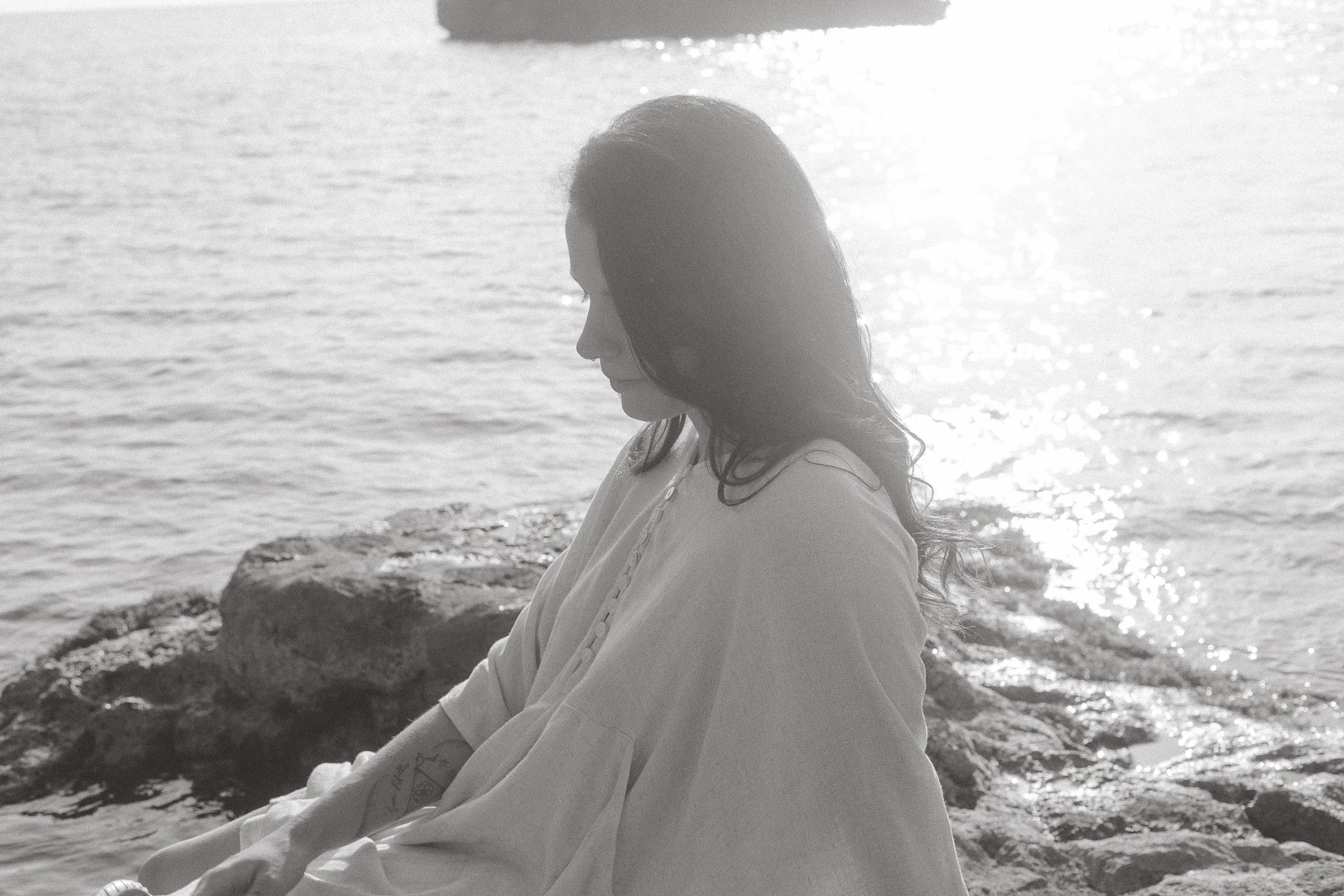
Sound healing is having a glorified moment in the wellness world, and I am so happy for that! It is a practice so dear to my heart, one I have been living and teaching for a long time, and there is something so wonderful about watching the world catch up to what ancient traditions have always known: that sound is not decoration, nor ambience, nor background. And it is not always something “woo woo.” It is medicine, and it is a spiritual path on its own.
What moves me most, though, is the possibility that lies beyond a single session. In my recent classes I have been feeling called to share something I have witnessed again and again, in my own practice and in the people I work with: that sound healing can be a living practice: one that opens, deepens and evolves as we do, revealing new layers of itself the more regularly we show up for it. When we work with sound in this way, we begin to respond to sound in different ways as it becomes a mirror, teacher and doorway we learn to walk through with increasing ease and depth.
With this in mind, I want to explore where sound healing can support us on the yogic path, one of the oldest and most complete maps of the inner life we have. What are the eight limbs of yoga according to Patanjali? And how can sound serve us as we walk them?
Atha. Now. Now is the practice of yoga.
The eight limbs of yoga, outlined by Patanjali in the Yoga Sutras, are a step-by-step path for living well: the yamas (ethical restraints), niyamas (personal observances), asana (posture), pranayama (breath work), pratyahara (turning the senses inward), dharana (concentration), dhyana (meditation), and samadhi (absorption or union). We study them because they offer a complete framework for the practice: a way of relating kindly to others and ourselves, steadying the body and breath, and gradually quieting the mind towards a sense of experiencial union with our universe.
Patanjali begins the Yoga Sutras with a single word: atha. Now. Atha yoga anushasanam: now is the practice of yoga. Just that. Now. Not when we’re ready, not when we’ve mastered the postures, not when the mind is already quiet. Now, exactly as we are, is when yoga begins. And then Patanjali gives us the whole teaching in a single breath: Yogas chitta vritti nirodha: yoga is the stilling of the fluctuations of the mind. Tada drastuh svarupe avasthanam: then the seer abides in their own true nature. I find this so beautiful I barely know what to add to it. The entire practice … every posture, every breath, every moment of stillness … is simply a path back to what was always already there: blissful and undisturbed presence.
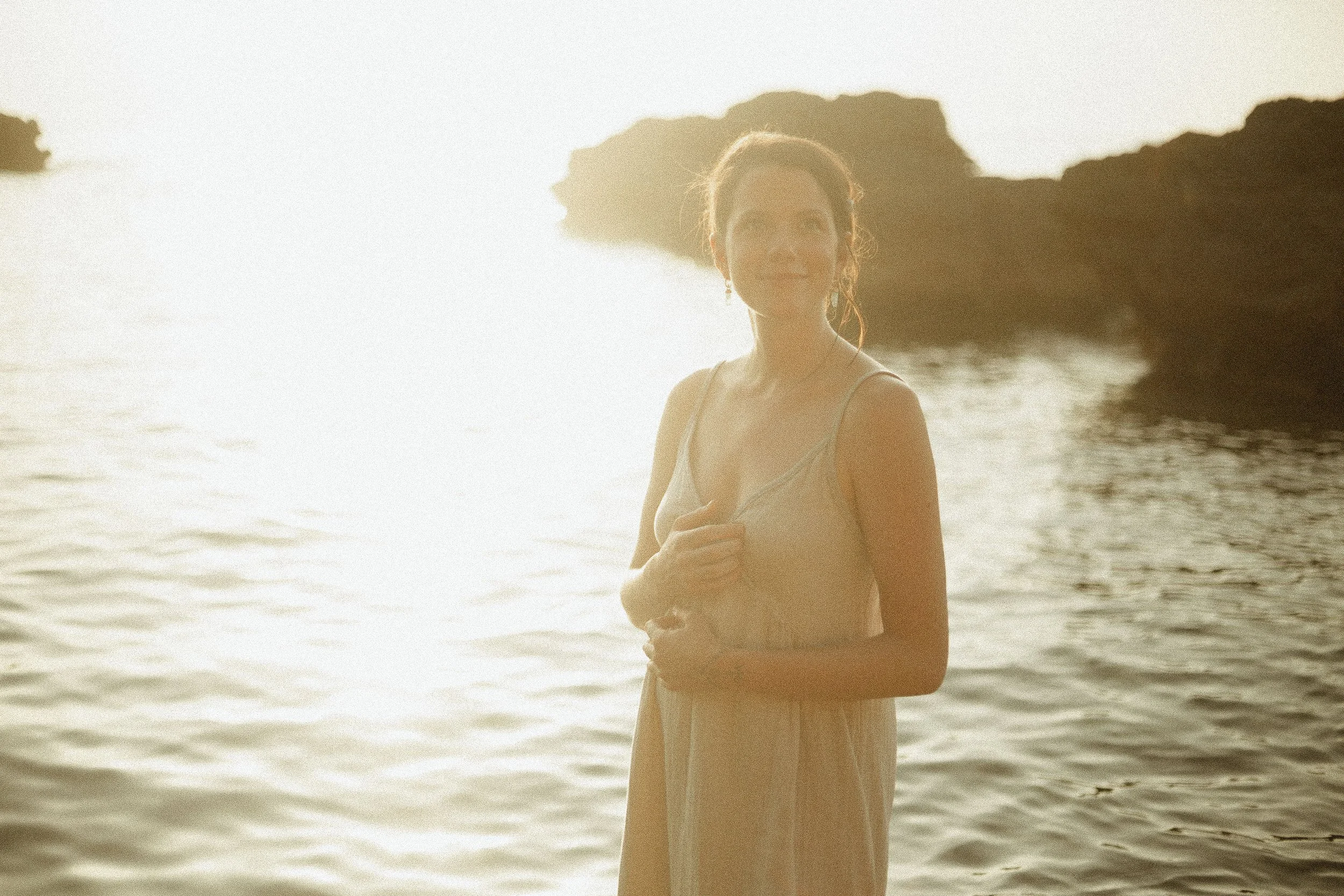
The 8 limbs of yoga are a living ecosystem: each one nourishing and supported by the others.
Asana prepares the body so the breath can deepen. Pranayama steadies the mind so concentration becomes possible. The ethical foundations of yama and niyama create the inner conditions for genuine stillness. Nothing is left behind and everything serves everything else.
When I think about where sound most naturally meets the yogic path, it is the inner limbs that light up: pratyahara, dharana, dhyana and samadhi. Not because the others don't matter, but simply because this is where sound does its most intimate work. There is something about the way sound moves through our body, the way it draws our senses gently inward and gives the restless mind something alive to rest on. Dharana, dhyana, and samadhi are not three separate achievements, they are one continuous movement, and each is a more refined and luminous expression of the same awareness turning toward itself. Patanjali called them samyama - a holding together, a binding and an integration.
Dharana is the art of gathering the mind, our ability to rest attention on a single point, fully, without wandering. Sound is a remarkable support here, because it gives our monkey mind something living and tangible to settle on, vibration that sustains our awareness and physiology without effort or strain.

Dhyana is what happens when that gathering deepens. Where dharana is the effort of focusing, dhyana is the effortlessness that follows, a continuous, unbroken flow of awareness where the distinction between the one who is meditating and the object of meditation begins to dissolve. The sustained, harmonic tones of crystal bowls and gong create a natural river for the mind to float on, making the shift from concentration to meditation a physical experience.
And then there is samadhi, the limb of the yogic path that is most difficult to describe because it lives beyond language. It is the direct experience Patanjali pointed to in that third sutra: the seer, no longer obscured by the fluctuations of the mind, abiding in their own true nature.
Sound, at its most refined, can act as a bridge to this threshold, working not just on the thinking mind but on the nervous system, the subtle body and our cells themselves. It does not force the door open, sound simply makes it easier to walk through.
This is why sound has been used in sacred practice across cultures for thousands of years, as a technology: a precise and ancient tool for stilling the fluctuations, dissolving the noise and returning awareness to itself. The next time we lie down together for a sound bath, may this serve as a reminder to view your journey with sound as an integral part of your yogic practice and as a dear friend/ally to accompany you on this journey back to yourself.
If this resonates and you're based in or visiting Mallorca, I offer private yoga and private sound healing sessions for those looking to go deeper than a group class allows. Whether you're drawn to the physical practice, the philosophy, or the profound stillness of sound — private sessions are a chance to work with both in a way that is entirely tailored to you, where you are right now.
