Yin Yoga & Sound: The Art of Stillness, Sensation & Inner Listening
Over the years, my practice has softened from one of power vinyasa and vigorous physical practice to the more subtle layers of the yogic ecosystem. Yin Yoga and sound, in particular. Yin Yoga is a soft, slow and meditative practice that invites us into the deeper layers of our body, our fascial system, our breath and our inner world. It is a practice profoundly effective at illuminating the places within where tension, memory, resistance, and emotion quietly live.
In a culture obsessed with doing more, moving faster, achieving bigger, yin yoga & sound practices becomes a radical act of coming home to oneself. And when we add the dimension of sound (gongs, singing bowls, the human voice) and something else entirely also shifts. The vibrations penetrate where words cannot. They dissolve what the body has been holding onto. While the practices and their roots are quite complex in nature—Traditional Chinese Medicine, Taoism, the science of frequency and resonance ~ they can be made quite simple when they are lived, especially when we teach them.
When you stop chasing intensity, something shifts. Our connective tissues ( fascia, ligaments, and joint capsules that have been holding decades of patterns) finally get to speak. These parts of our body do not respond to force … they respond to time and presence. These parts of our body respond the kind of patient, loving attention most of us have forgotten how to offer ourselves. And they respond to vibration. While your body is held in stillness, a gong's resonance penetrates deeper than any verbal cue ever could. It bypasses the thinking mind entirely and speaks directly to the tissue, to the nervous system, to the places that have been waiting to release.
There's something about sound that reaches the places words cannot.

What Happens When You Finally Stop Moving
As you settle into a pose, your mind does exactly what minds do: it resists. It gets bored. It tries to escape. And then, somewhere around the 5-minute mark, something cracks open. The mental noise settles. Your breath finds its own rhythm. A bowl sounds, and suddenly the resistance softens. You're not doing yoga—you're being in it. The sound becomes permission to stop trying so hard.
Tissues remember. They hold our stories—the hunched shoulders from stress, the tight hips from sitting, the collapsed chest from years of making ourselves smaller. Yin creates space for these patterns to unwind on their own terms. But add sound to that equation, and something alchemical happens. The vibration doesn't force release; it invites it. It creates a frequency that your body recognizes as safe. Your nervous system hears the gong and thinks: oh, I can finally rest. I can finally let go. The two practices aren't just compatible—they're speaking the same language. Yin says slow down. Sound says it's safe. Together, they create a portal where deep healing becomes possible.
There's a revolutionary moment in yin when we stop comparing our body to everyone else's and start honoring what's actually true for ourselves. In this practice, we enter poses at about 50% of our full range of motion … just enough to create gentle stress on the tissues, not so much that we are forcing. We learn to distinguish between tension (the good kind ~ a lengthening sensation that softens with breath) and compression (a hard stop where bones meet bone). This knowledge changes everything within and without our yoga practice + how we relate to our bodies perceived limitations. Sound amplifies this knowing. The vibration doesn't let us hide in old patterns or push past our edge ~ it simply mirrors back to us what is real in the moment … i.e. what your body is actually asking for, not what we think it should be doing.
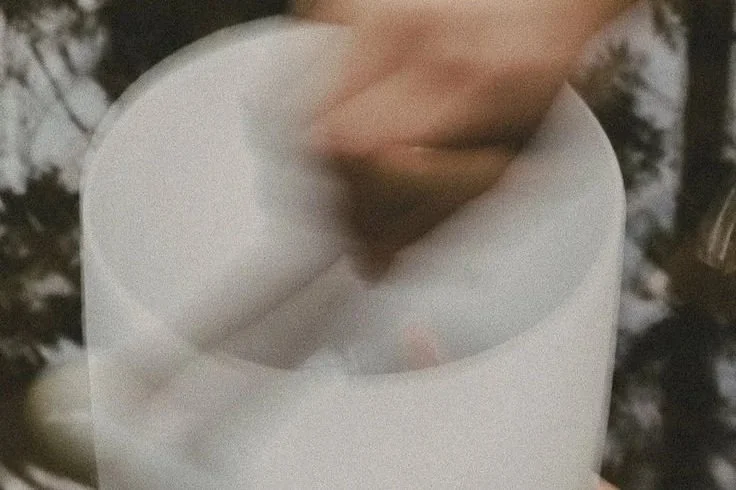
These practices can be INTENSE. When we finally stop moving, when sound meets your stillness and asks us to open, things surface. Old patterns. Held emotions. Haunting memories. Stories your body has been carrying. Our nervous system might feel tender, vulnerable or even confronted. This is where the real work happens. Yin teaches us to stay present with what is uncomfortable and find safety anyway.